
Words by Emma Marchetti
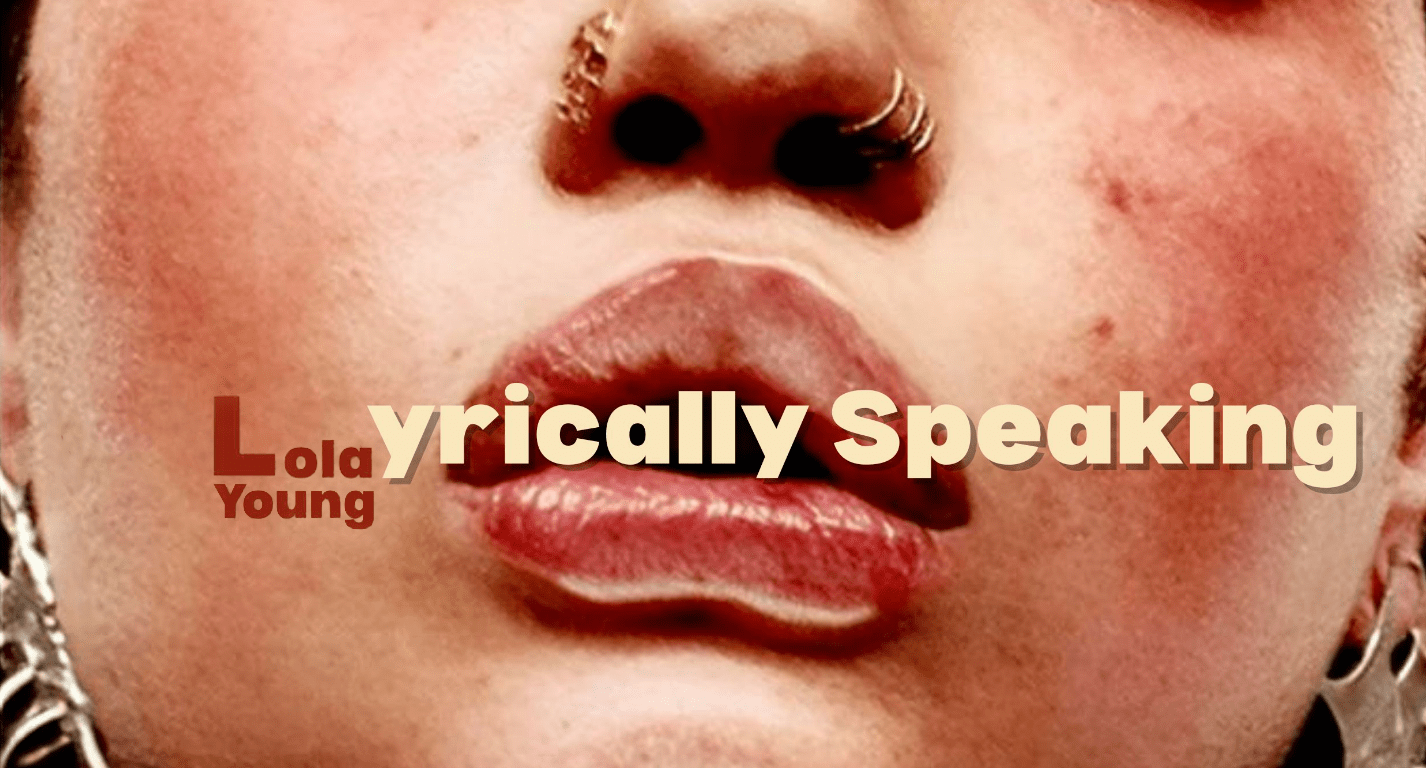
Unless you’ve been living under a rock, you’ll have certainly heard south-east London singer Lola Young’s big hit about a million times. To celebrate the launch of her latest single, ‘One Thing’, let us then talk about the track that made her famous, wishing her new song just as much success.
Ever since its release, a little more than a year ago now, in May 2024, ‘Messy’ has slowly but steadily been making its way to the top of the singles charts across the world and, most importantly, to its own little spot in everyone’s heart. But why is it that we love it so much? It all comes down to powerful, skilful songwriting – and Young’s “big mouth” can be used to great effect.
Back in November 2023, when ‘Messy’ first came to life – written by Young one evening and fleshed out with collaborator Connor Dickinson the next day – it told the story of a break-up, the feeling of never being enough for the other person.
But as the months went by it evolved into so much more than that. It is an anthem for imperfection, a battle cry against expectations, an expression of universal experiences and that’s its biggest strength. As the artist has repeatedly stated, this is a song people truly relate to, finding liberation from the unrealistic, contradictory demands of the world around us. In fact, it is indeed a contradiction that this tune is built upon, or in the words of us lyric enthusiasts; antithesis.
In literature, antithesis is a figure of speech consisting of the juxtaposition of opposites, such as good and bad or light and dark. Think Katy Perry’s ‘Hot N Cold’, for example, or ‘Hello, Goodbye’ by The Beatles.


Now, with this in mind, take a look at the chorus lyrics for ‘Messy’, and you might start to notice a pattern emerging.
'Cause I'm too messy, and then I'm too fucking clean
You told me, "Get a job", then you ask where the hell I've been
And I'm too perfect 'til I open my big mouth
I want to be me, is that not allowed?
And I'm too clever and then I'm too fucking dumb
You hate it when I cry unless it's that time of the month
And I'm too perfect 'til I show you that I'm not
A thousand people I could be for you when you hate the fucking lot
Messy but clean, busy but present, clever but dumb… how can a single person keep up with all of that? Short answer is, they can’t. And that’s exactly what antithesis does: it highlights contrasts and emphasises differences, moral issues and, in this particular case, even absurdity. It strengthens the speaker’s point and adds complexity to it, but most importantly it stimulates a more intense emotional response.
Furthermore, when underpinned with other lyrical devices, antithesis can be made even more impactful: for example, Young has cleverly created a strong substructure that divides each line in two, reinforcing the sense of opposition, and has used intentional repetition (especially with the word and) to pile all of the antitheses on top of one another in order to build a big, climactic crescendo.
Other sections of the song also make use of antithetical imagery, such as in the very beginning of the verse, where impatient and waiting are masterfully paired, but it is in the choruses that the use of this tool is most evident, and that’s what makes them so poignant. Of course, there is so much more that could be said: rhyme, rhythm, other figures of speech, they all come together to craft a beautiful song. But here, antithesis truly takes on a leading role in conveying the message behind Young’s heartfelt lyricism. Watch this Mix With The Masters breakdown for more insight.
While it is generally true that art has no objective meaning, it is particularly so for this song: the singer, despite stating that the song idea originated from the end of a love story, has also talked about how it was also inspired by her relationship with her parents, proving there are always multiple possible interpretations. It’s also influenced by a recent ADHD diagnosis. “You don’t even see the mess,” Young revealed in an interview with Capital Radio.
‘Messy’ is a multifaceted song about so many aspects of the human experience that we all can relate to it, and that is what makes it great.

